
The Mistake Most Homeowners Make First
When a garage door hesitates, groans, or feels glued to the slab on a cool morning, the instinct is to hit the wall button again, then again, or to grab the manual release and muscle the door up by hand. It's tempting because the door usually does break free after a shove or two, so it feels like the problem solved itself. It didn't. Forcing a sluggish door repeatedly strains the opener's gears, puts uneven load on the springs, and can bend a track that was only slightly out of alignment. By the time the door starts slipping off its rollers or the opener motor burns out, what started as a minor seasonal quirk has turned into a repair bill.
Symptoms Worth Paying Attention To
- The door pauses for a second or two before it starts moving, even though the remote clicked right away.
- The opener motor sounds like it's working harder than usual, almost straining, before the door lifts.
- The bottom seal seems stuck to the concrete slab and resists the first few inches of travel.
- The door reverses on its own partway through closing.
- Lifting the door manually feels noticeably heavier than it did a few weeks ago.
- Rollers squeal or grind instead of rolling smoothly.
None of these mean the door is literally frozen the way it might in a northern climate. In Citrus County, it's almost always a combination of cooler overnight temperatures, humidity, and material fatigue that adds up to the same sluggish feeling.
What a Technician Checks, in Order
1. The Weatherstripping and Bottom Seal
After an afternoon downpour, the rubber astragal along the bottom of the door can stay damp overnight. When temperatures drop even slightly, that rubber can tack itself to the concrete slab, especially if the seal has started to crack or harden with age. The fix is straightforward: break the seal gently rather than forcing the opener against it, then inspect the weatherstrip. If it's stiff, cracked, or no longer sitting flush, it gets replaced. A fresh seal also helps keep humidity and small debris out of the garage.
2. Lubrication on Hinges, Rollers, and Springs
Old grease thickens in cooler air, and in a humid climate like this one, it often mixes with dust and grit into a gummy residue rather than staying slick. This is the single most common cause of a door that feels sluggish without any other obvious issue. The fix involves cleaning off old, grimy lubricant from hinges, rollers, and spring coils, then applying a silicone-based garage door lubricant. Skip household products like WD-40 for this job; it's a solvent that evaporates quickly and can leave moving parts drier than before.
3. Track Alignment and Debris
Metal tracks expand and contract slightly with temperature swings, and they're bolted to door framing that can swell with moisture during our humid stretches. Over time, brackets loosen just enough to let the track drift out of true. A technician checks the tracks with a level, re-tightens mounting brackets, and clears out pollen, salt residue, or grit that's built up along the rail, since coastal air carries more of this than homeowners expect.
4. Spring Tension and Condition
Springs lose a bit of flexibility in cooler air, and if they're already rusted from salt-laden moisture, that stiffness is more pronounced. A door that feels heavy to lift by hand, especially combined with visible rust or gaps in the coils, points to springs nearing the end of their service life. Depending on wear, this means either a tension adjustment or full spring replacement, which should always be handled by a trained technician given how much force these components carry.
5. Opener Force Settings and Sensors
Openers are often set once and never touched again, but seasonal humidity changes the amount of resistance a door presents. If the force settings were dialed in during a swollen, humid stretch, the door may now seem to stick or reverse on cooler, drier mornings. Adjusting the open and close force, along with checking the photo-eye sensors for condensation fogging, often resolves the problem without replacing a single part.
6. Roller Bearings
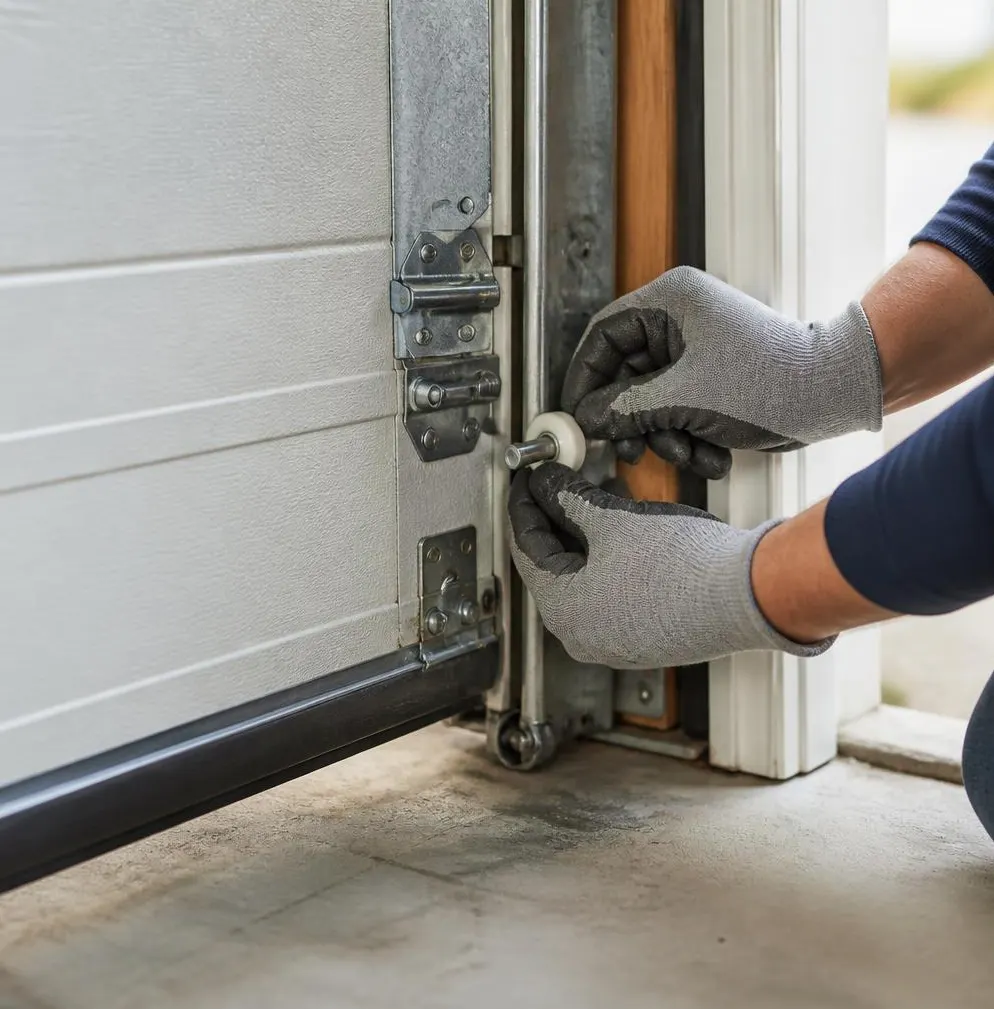
Nylon rollers with steel bearings are common, and those bearings can corrode from ongoing humidity and salt air near the coast. A seized bearing shows up as grinding or resistance right where the roller meets the track. Replacement rollers are inexpensive compared to the strain a seized one puts on the opener and track.
When to Call Crystal River Garage Door Service
If lubrication and a seal check don't solve it, or if you're hearing grinding, seeing rust on the springs, or noticing the door reverse unexpectedly, it's time to call in a technician rather than keep testing the opener's patience. Our Garage Door Tune-Up & Maintenance service covers lubrication, track alignment, and hardware inspection in one visit, and if we find worn springs or cables while we're in there, our Garage Door Spring Repair and Garage Door Cable Repair teams can handle it on the spot.
If your garage door has been sluggish on these cooler mornings, give Crystal River Garage Door Service a call. We serve Crystal River, Homosassa, Inverness, Lecanto, Beverly Hills, Citrus Springs, Hernando, and Dunnellon, and we'll get your door moving smoothly again before it turns into a bigger repair.